
Subsidence
The soil is shrinking, often through a long dry spell or where trees are drawing moisture, and part of the building moves down. Underpinning can be the right response to that. It is the wrong response if the building is actually going up.
Independent property movement advice
A crack, a sloping floor or a door that suddenly sticks means something has changed. It does not mean the house should be underpinned.
We inspect the property. If you still cannot tell whether it is moving, or which way, we leave monitors on site and record it every day. The aim is simple: know the problem before you pay for a major repair, including a repair for the wrong kind of movement.
We do not sell underpinning or ground treatment.

Left on site · read each day
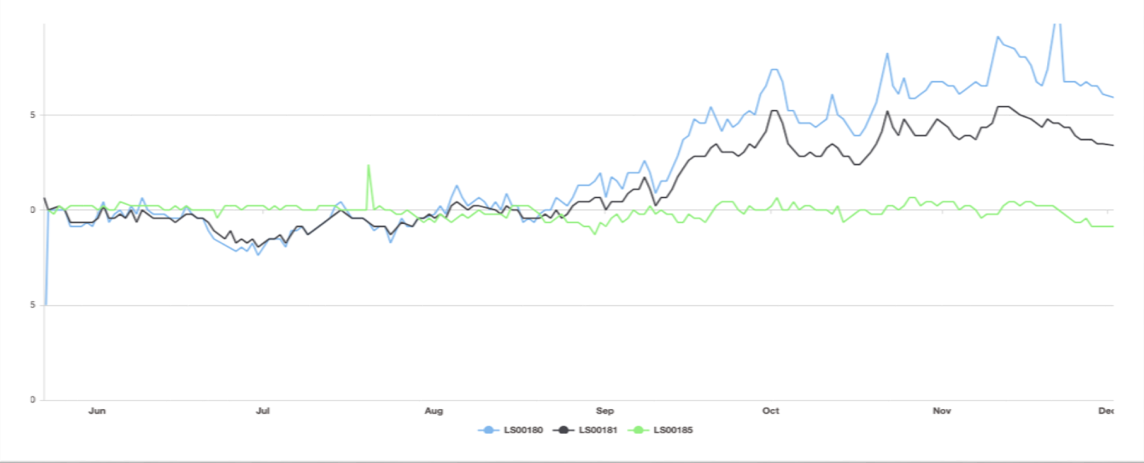
Daily relative level readings at selected points. Example output — actual records vary by property.
~20 years
Combined experience
10,000+
Properties inspected
National
Different states and soils
Independent
No remediation to sell
Movement monitoring
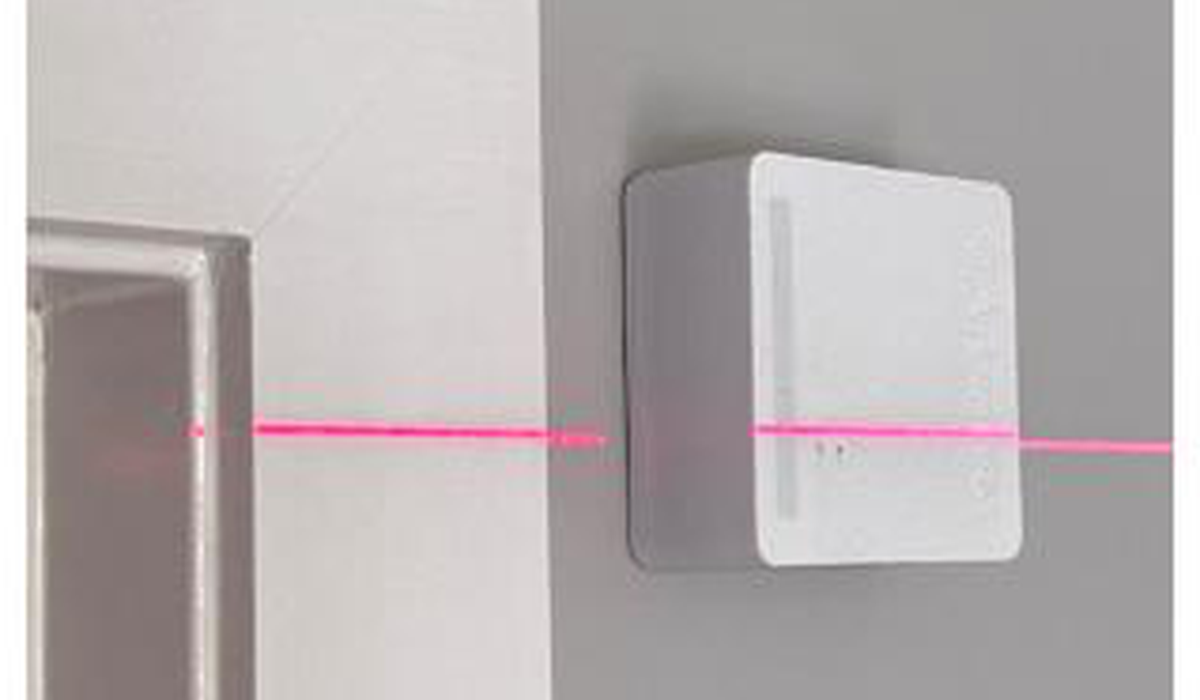
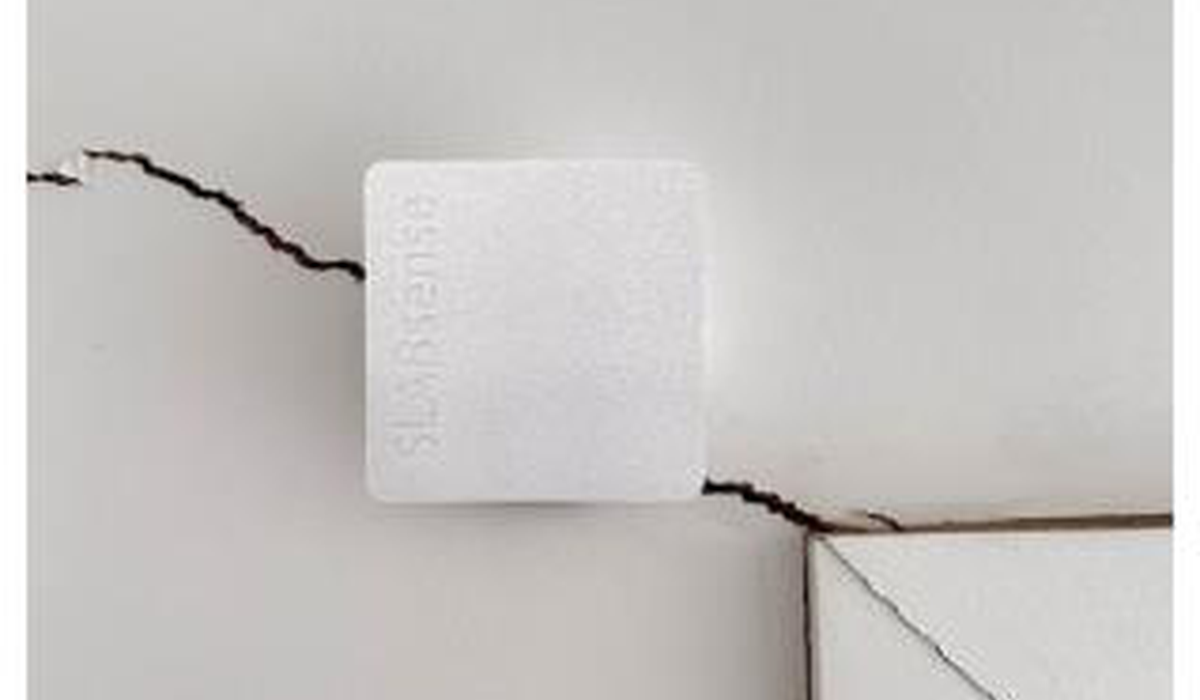
GMA is the exclusive reseller of SLABsense. We install small monitors at selected floor, wall or crack locations and leave them there for the agreed period. Each device records movement daily. The dashboard turns those readings into a trend — without another site visit every time you need an update.
A device at each selected point records movement every day, so the question stops being a guess between site visits.
Heave and subsidence
Subsidence is the ground going down, and the house following it. Heave is the ground coming up, and pushing the house with it. From the lounge room they look the same: cracks, sticking doors, floors that are no longer level. That likeness is why one can be repaired as the other.
The soil is shrinking, often through a long dry spell or where trees are drawing moisture, and part of the building moves down. Underpinning can be the right response to that. It is the wrong response if the building is actually going up.
The soil is swelling as it takes on water. A leaking pipe, wet ground against the house, or clay wetting up after a tree is removed can lift the building. The corner that looks low may not be falling. Another part may be rising.
Reactive clay shrinks through a long dry spell and swells after prolonged rain. One inspection can freeze that cycle and call it subsidence. Underpinning a seasonal movement does not stop the soil. It can pin one part of the house while the rest keeps moving.
A level survey shows which part is higher today, not which part moved. Edges lower than the middle can mean the edges have dropped, or that the middle has swollen upwards — a leak under the slab is a common reason for the second. Underpinning those edges is the wrong repair if the middle is what rose, and it leaves the water where it is.
A tree can dry the clay for years. Once it is gone, that clay can take water back on and lift the house. The new cracks are sometimes that lift, not another drop — more so if the tree is older than the house. The timing of the removal does not decide it. Levels over time do.
Some houses do need underpinning. The costly mistake is buying it before anyone has shown whether the ground is falling, rising, or moving with the seasons. An inspection starts that. Monitoring continues it, day by day, when one visit is not enough.
This is a general explanation, not a diagnosis of your house and not an engineering design.
Why the wrong label leads to the wrong repairBefore you spend
Once the direction of movement is clearer, the choice is narrower. Major remediation is sometimes the right work. Sometimes a leak, the drainage or a tree should be dealt with first. Sometimes there is not yet enough evidence to justify the spend.
If the evidence supports significant work, we help you understand why, and which qualified professional should guide the next stage.
Drainage, plumbing, vegetation or another site condition may need investigation before a foundation solution is considered.
When the open question is whether movement is still occurring, monitoring is often the better next step.
Does this sound familiar?
Any one of these does not automatically mean a serious foundation problem. What matters is the pattern across the property, how it has changed, and how the building and the ground are interacting.
Especially when they change, widen, or open again after repair.
A dip or a change from one room to the next can mean parts of the building are moving differently.
Openings that bind, stop latching, or look out of square.
Around frames, cornices, skirtings, or where an addition meets the original building.
Paths, verandahs and slabs that drop, lift, or pull away from the house.
Recurring repairs, seasonal symptoms, or distortion that was not there last year.
Services
Levels, visible indicators, construction, history and the factors worth investigating — read as one property, not one crack.
02SLABsense devices stay on site and record movement each day, in a dashboard you and your advisers can follow.
03Document levels and condition before a warranty question, a dispute, or future movement has to be argued from memory.
Where remediation proceeds, GMA can coordinate information on the owner’s side without replacing the licensed professionals. Where a claim or dispute is involved, we help organise movement evidence. We do not determine cover, liability or an engineering outcome.
About GMA
The useful question is not who can start soonest. It is whether the evidence supports that work, a different investigation, or more time.
The goal is not to sell a treatment. It is to understand the movement well enough to make the right long-term decision.About Rob Voyle and GMA
Our mission
Replace guesswork with evidence.
Objective movement data, and a plain view of what should happen next. The decision stays with the owner and the qualified professionals they appoint.
GMA is a specialist property movement consultancy, not a structural or geotechnical engineering practice. We provide independent assessment, movement evidence, monitoring, practical guidance and coordination. We do not provide structural design, certification, geotechnical conclusions, legal advice or engineering sign-off. Where that judgement is required, we work alongside appropriately qualified professionals.
Tell us what has changed, what you have already been told, and the decision in front of you.